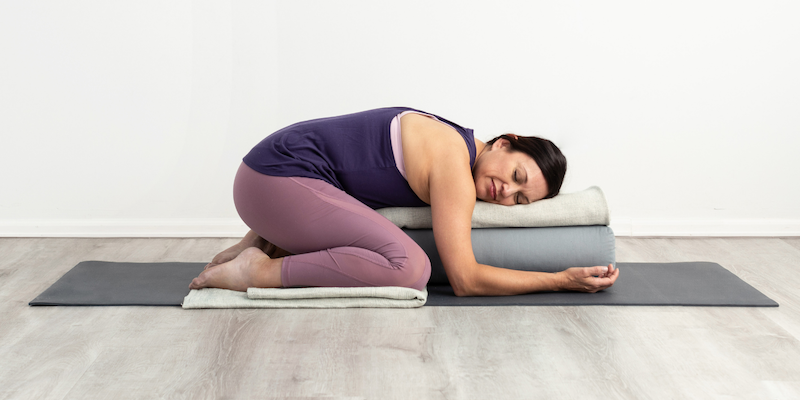
When faced with stress, anxiety, or mental overload, the body is often the first to react. Shallow breathing, tension, inner restlessness : all signs of a nervous system out of balance.
For Marie-Françoise Mariette, yoga offers a tangible response to these states. Through movement, breath, and body awareness, the practice helps bring us back to more stability, a feeling of being grounded. A gentle yet powerful way to soothe the nervous system and to regain agency.
Returning to the body, here and now
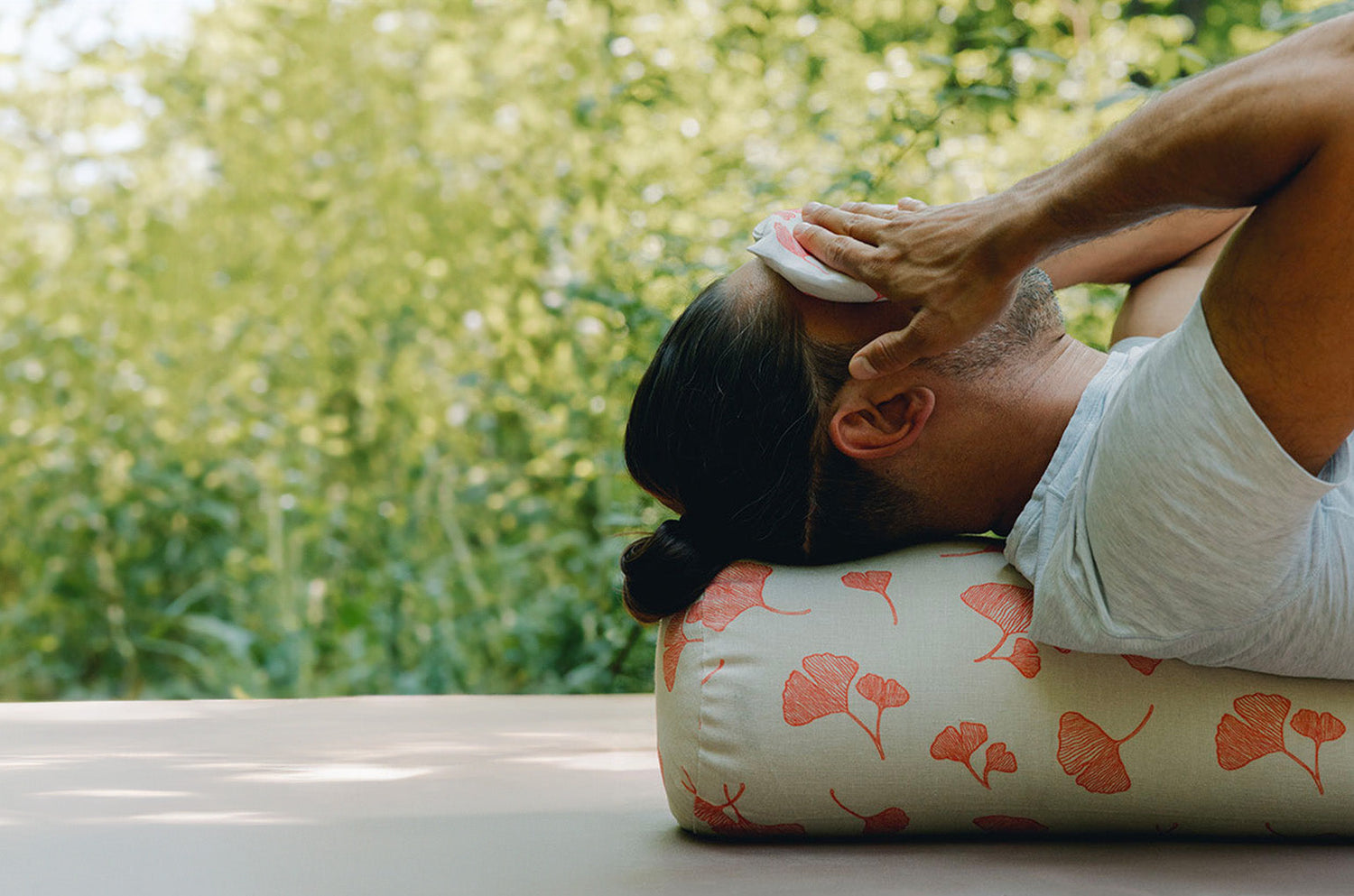
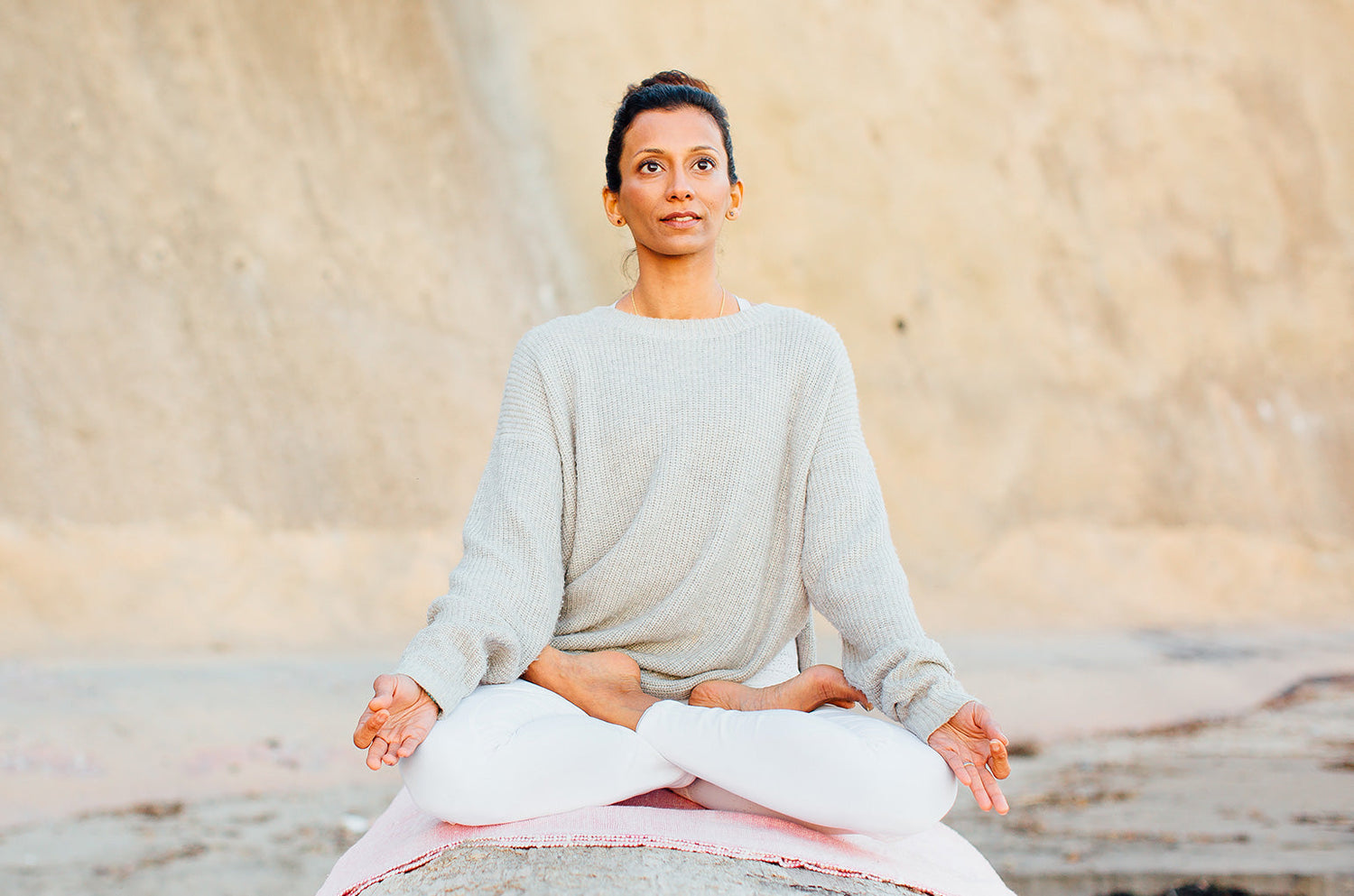
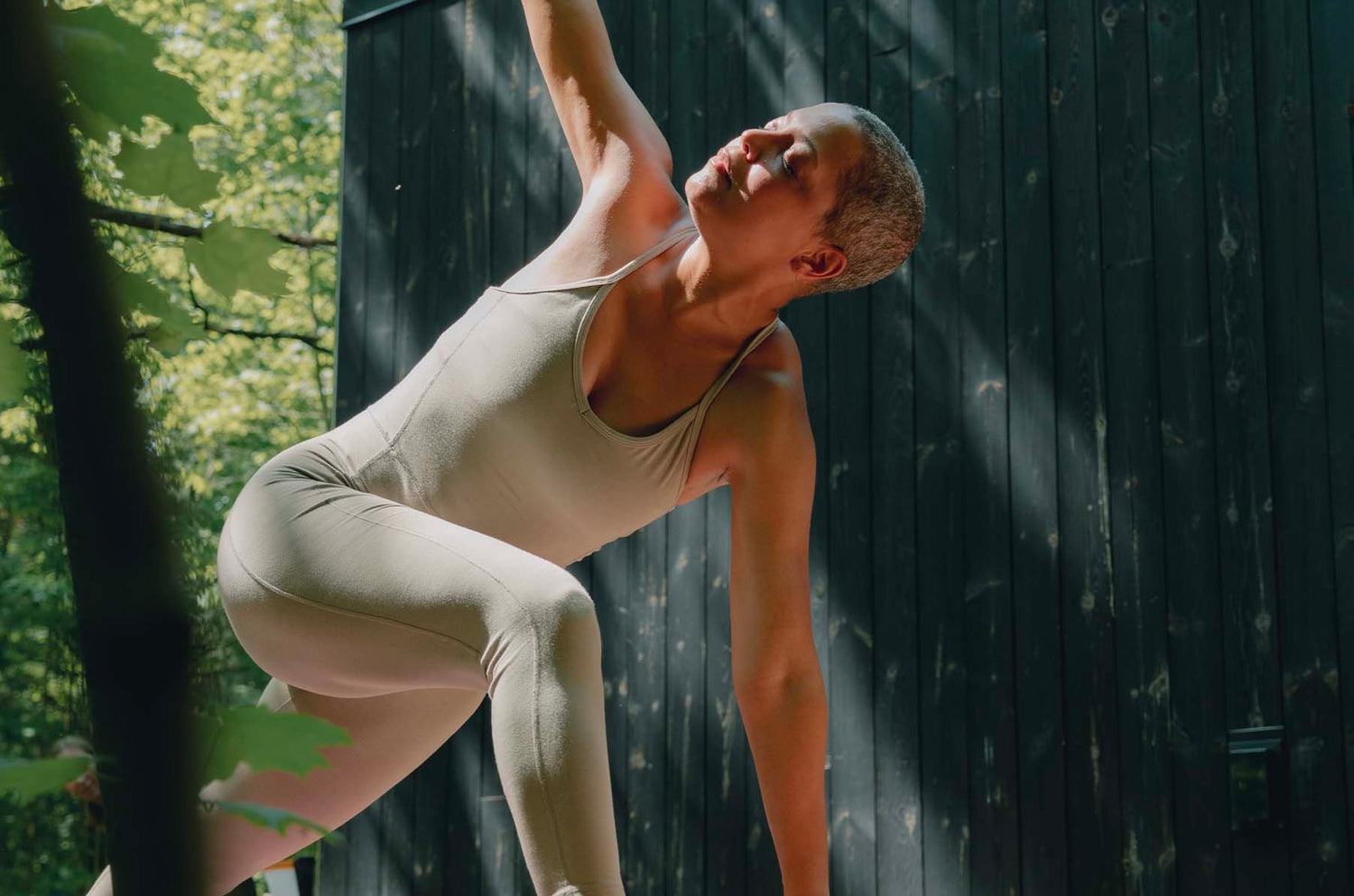
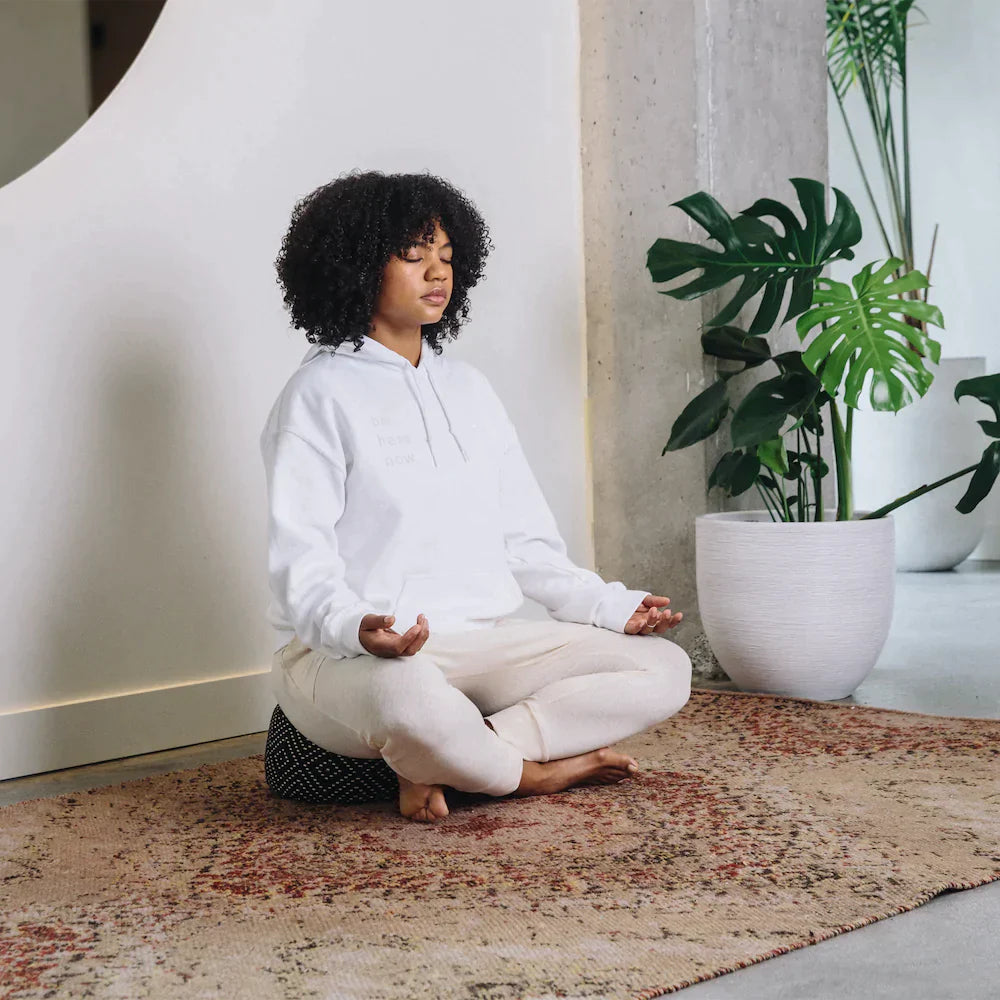
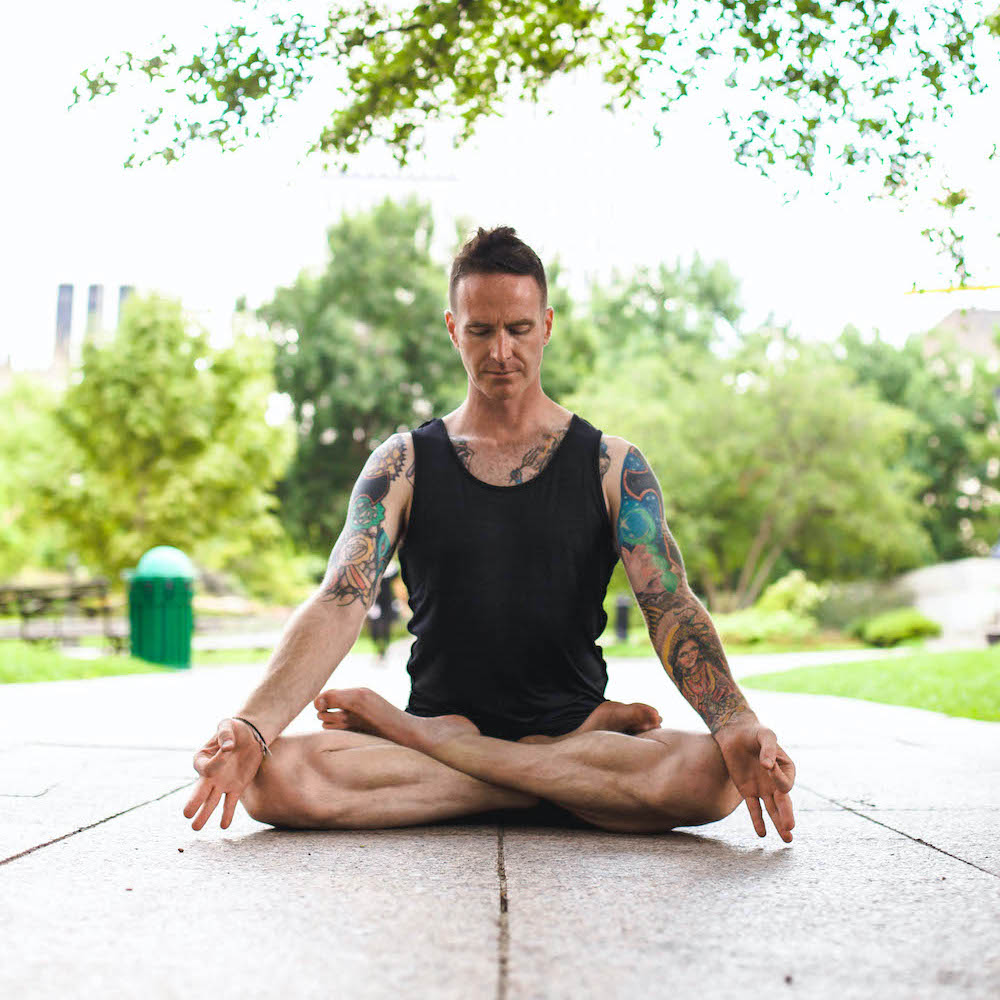
Yoga first acts as an anchor. By combining movement, breathing exercises, and postures, it invites attention back into the body. “It brings the body and mind into a more grounded state, more present in the moment,” explains Marie-Françoise.
Gradually, the mind slows down, awareness shifts toward physical sensations, and the breath becomes more conscious. This return to the present moment helps break patterns of anticipation and stress, often linked to a nervous system overactivated by our fears. By reconnecting with sensations, we create space for the body to release tension and settle.
Gently regulating the nervous system
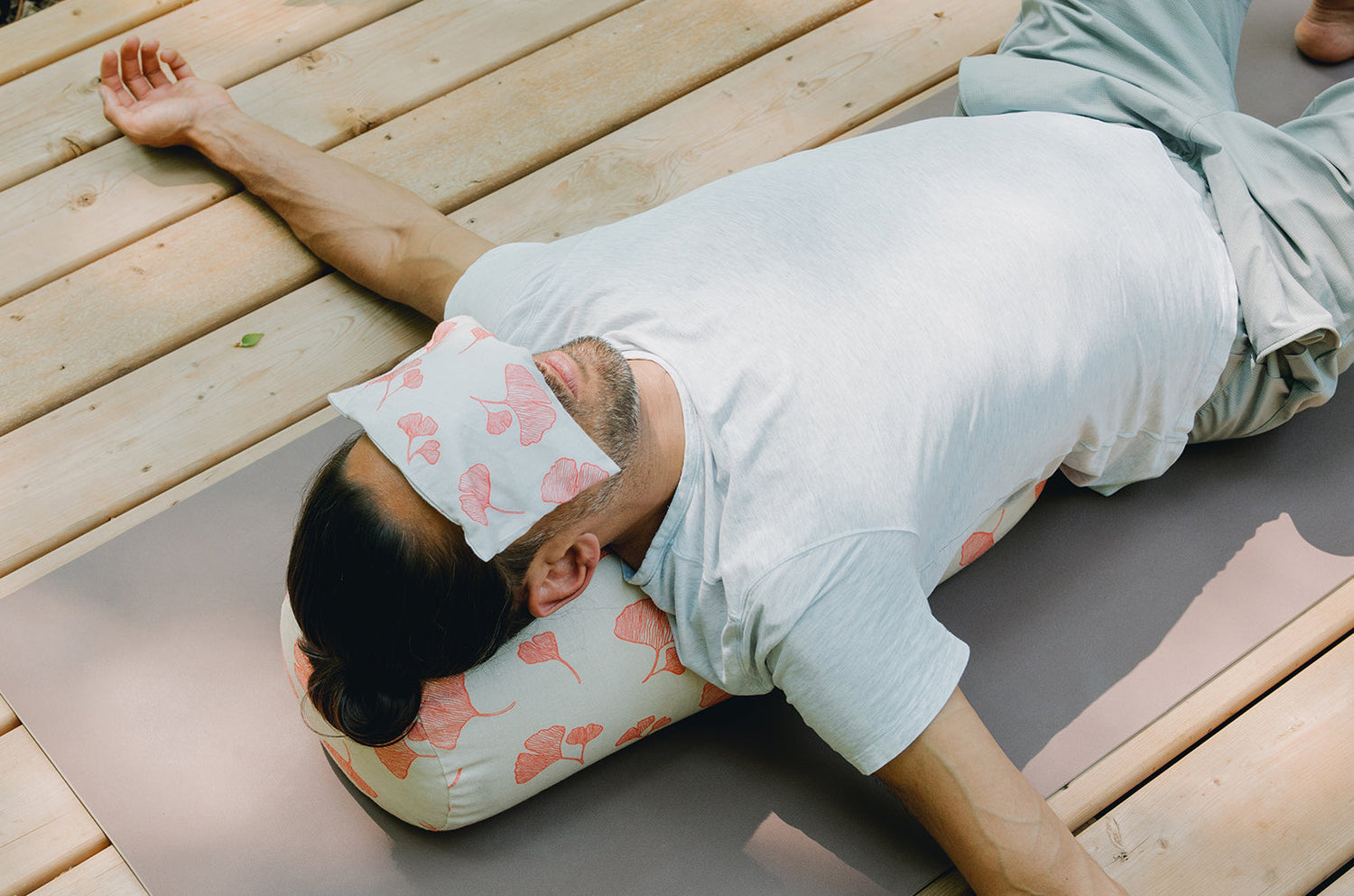
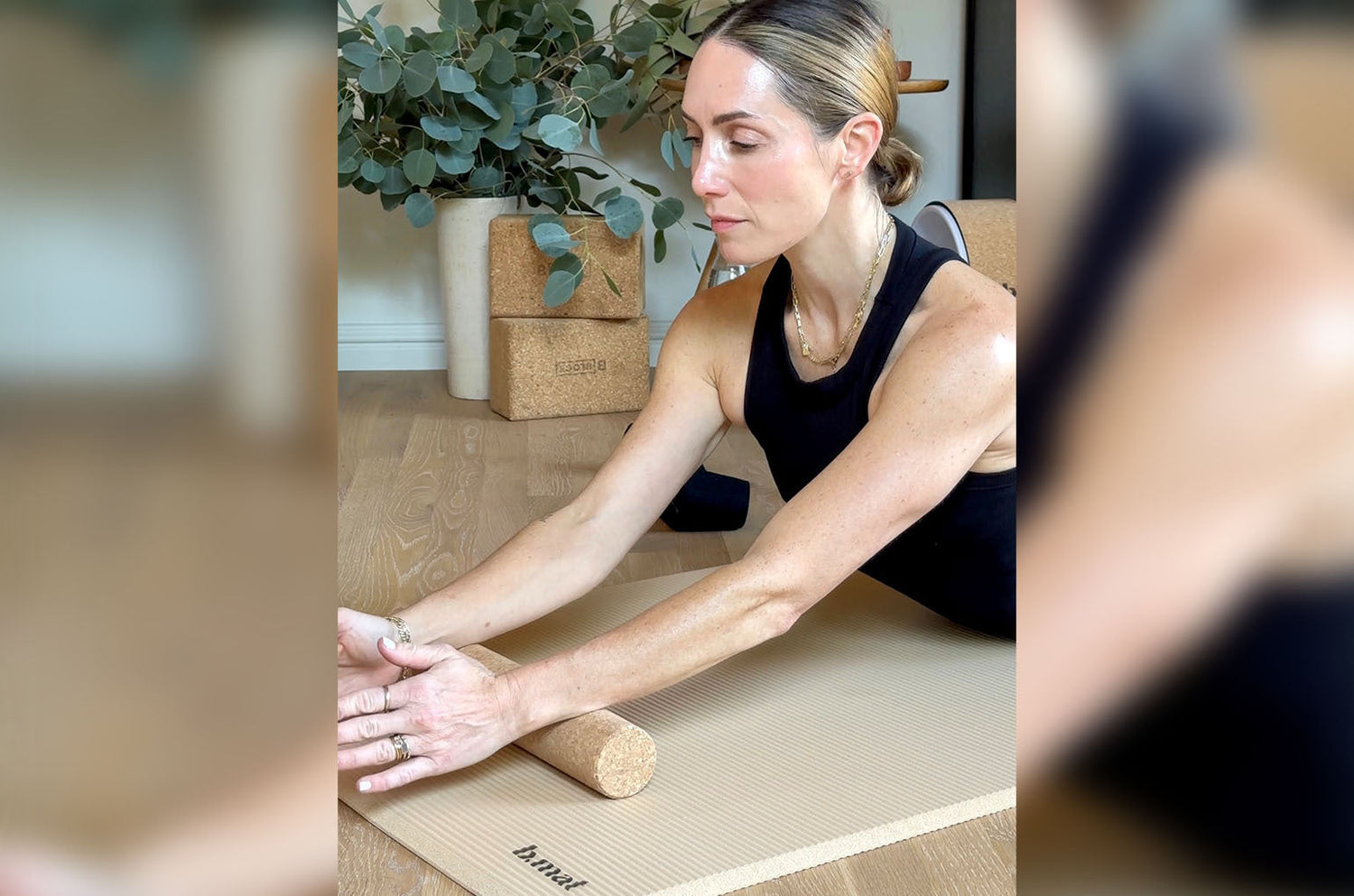
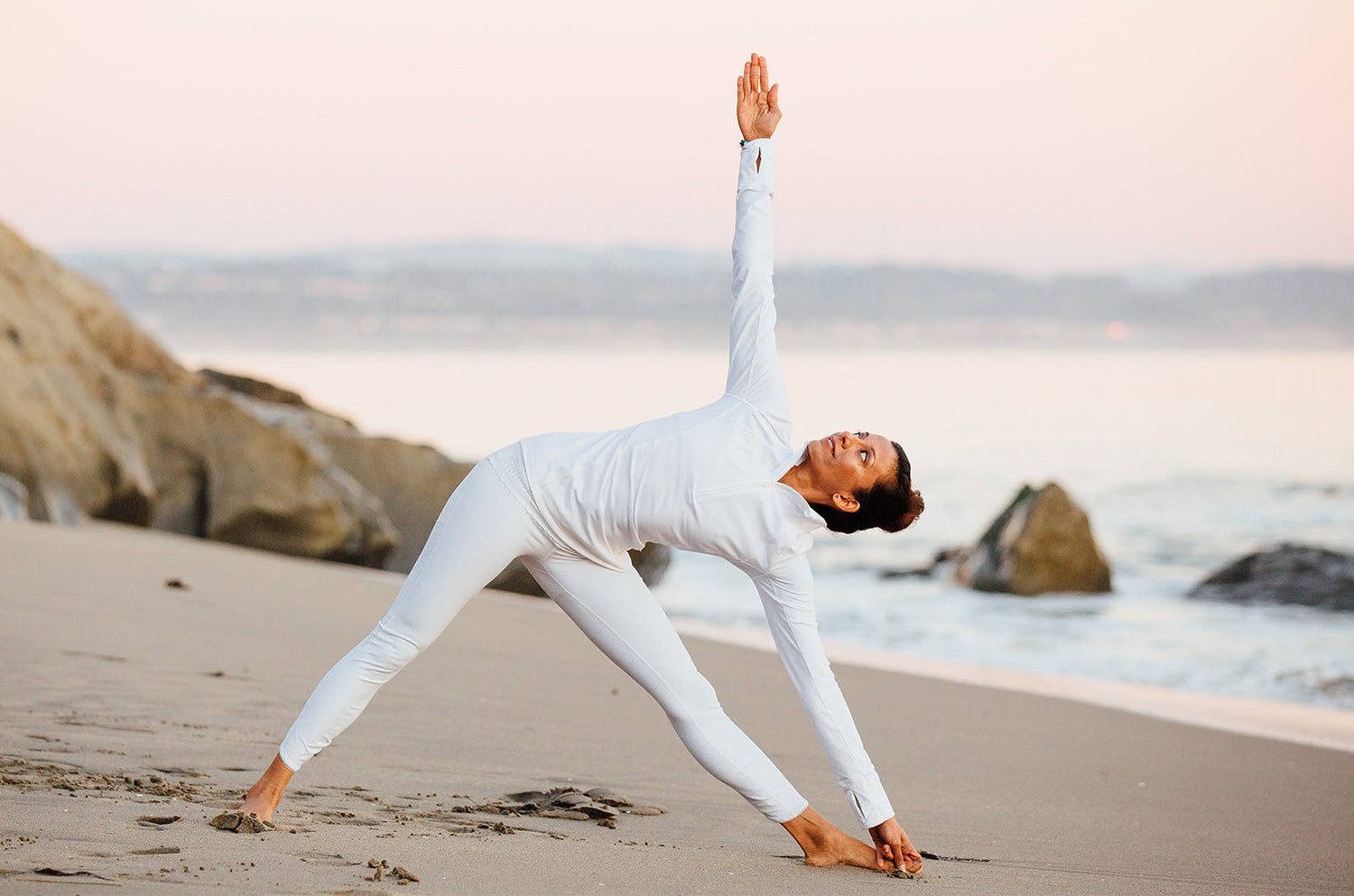
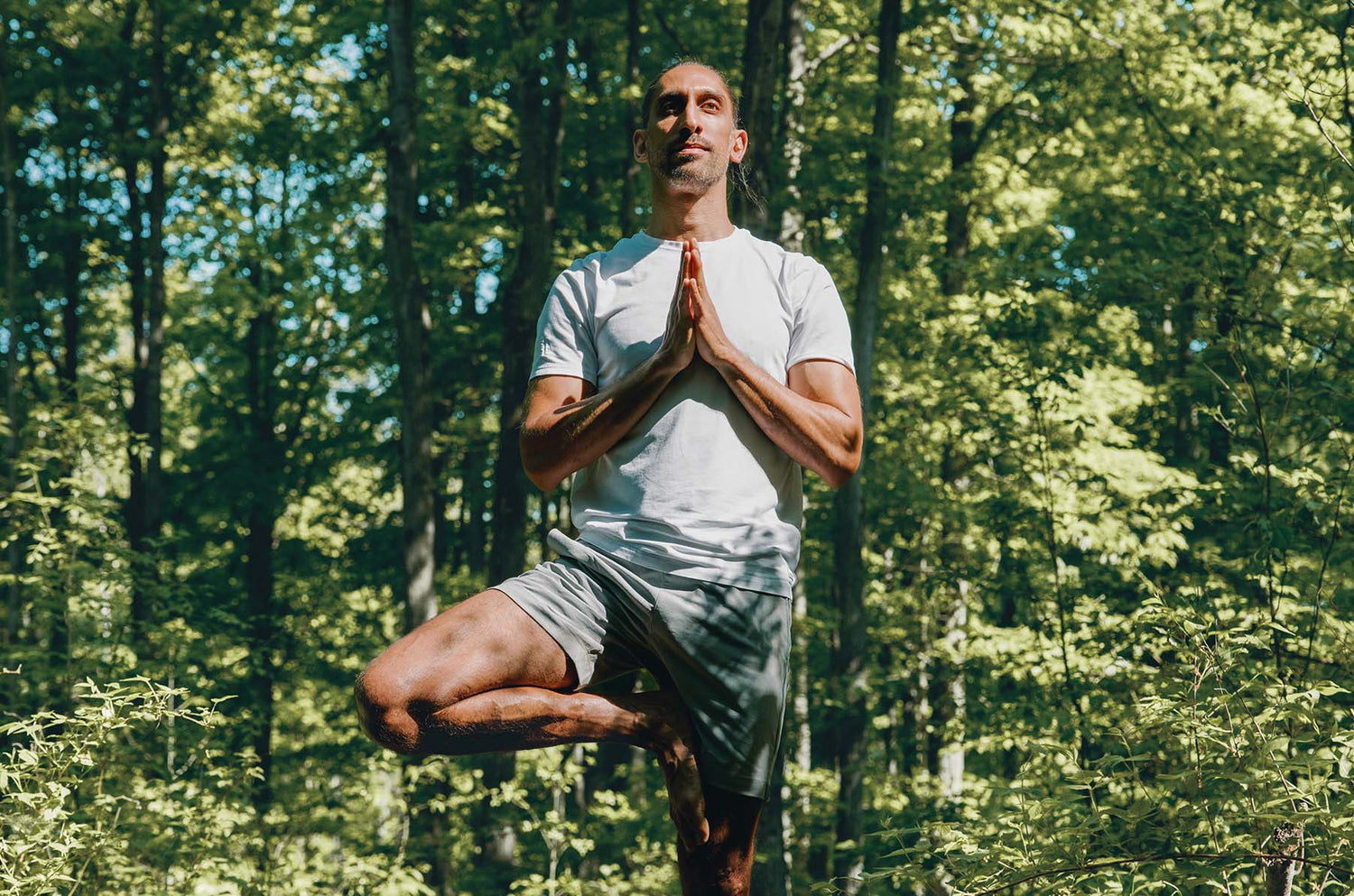
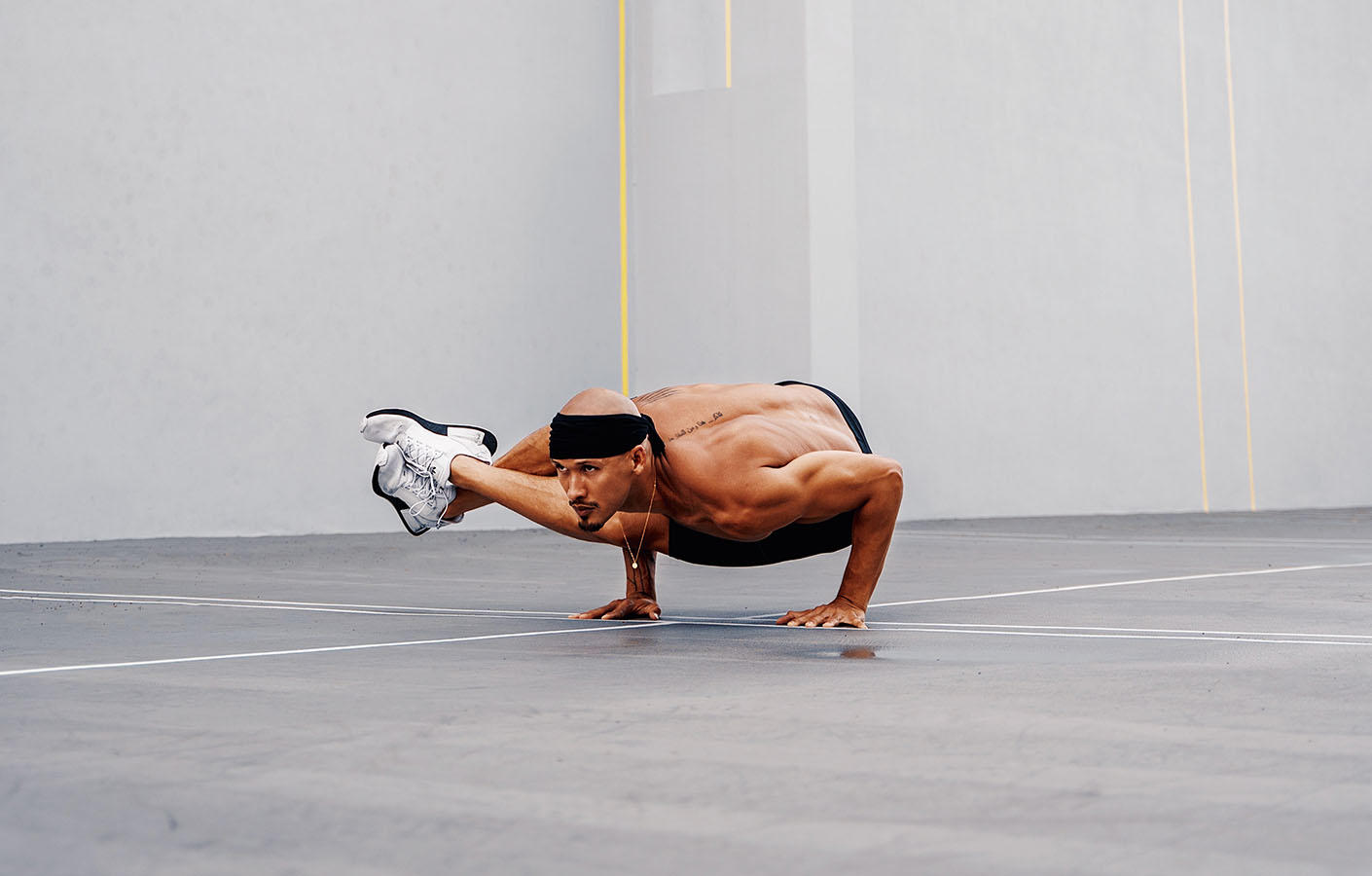
One of yoga’s key benefits is its ability to regulate the nervous system. Through adapted practices (fluid movement, slow breathing, and mindful postures) the body gradually shifts from a state of activation (associated with stress) to a more relaxed state.
This regulation plays a direct role in easing anxiety and fear by redirecting our mind to the present moment. By slowing down and deepening the breath, we send a signal of safety to the body.
The nervous system can then reset, encouraging a sense of calm and ease.
Soothing fear and deep-seated tension
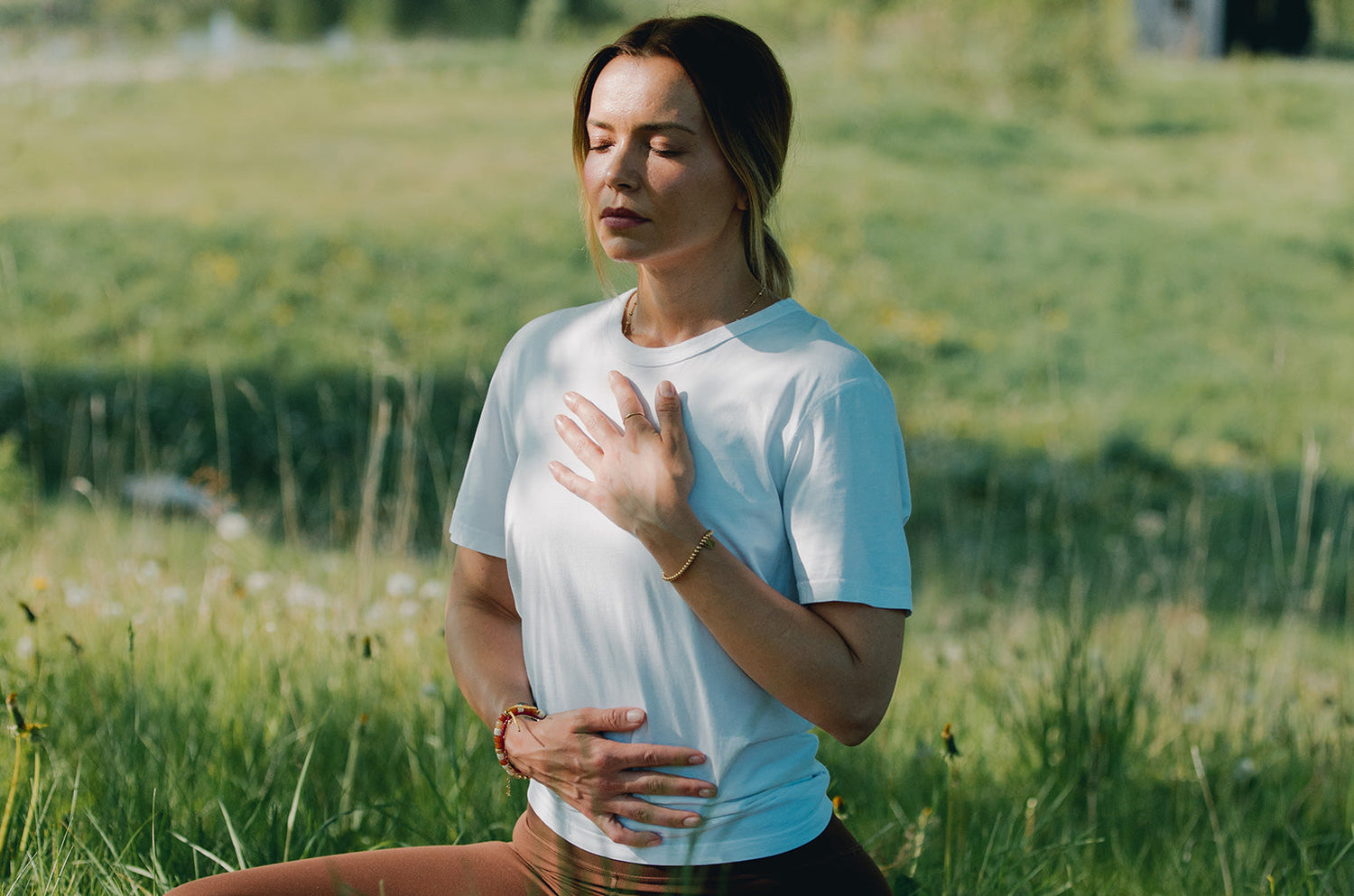
In certain approaches to yoga, emotions, especially fear, are believed to be stored in specific areas of the body. The abdomen, in particular, is often associated with these sensations.
“Our fears are often located in the belly,” Marie-Françoise points out.
By working with breath, movement, and awareness in this area, yoga helps gradually release these tensions. This is also connected to the energy of the second chakra, associated with emotions, fluidity, and feeling.
Rather than analyzing, the practice encourages sensing, allowing, and restoring movement where things may have felt stuck.
Returning to a state of calm
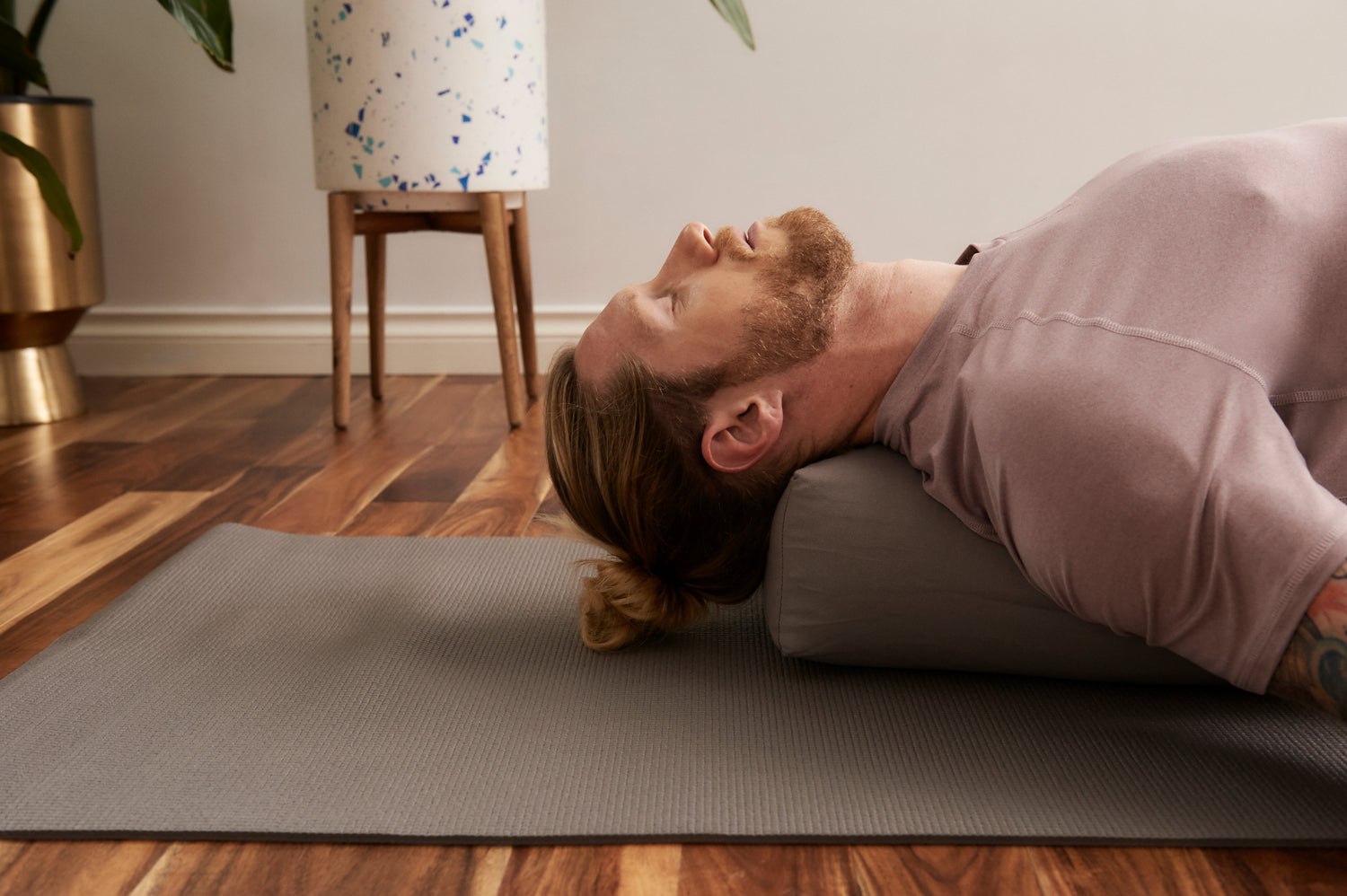
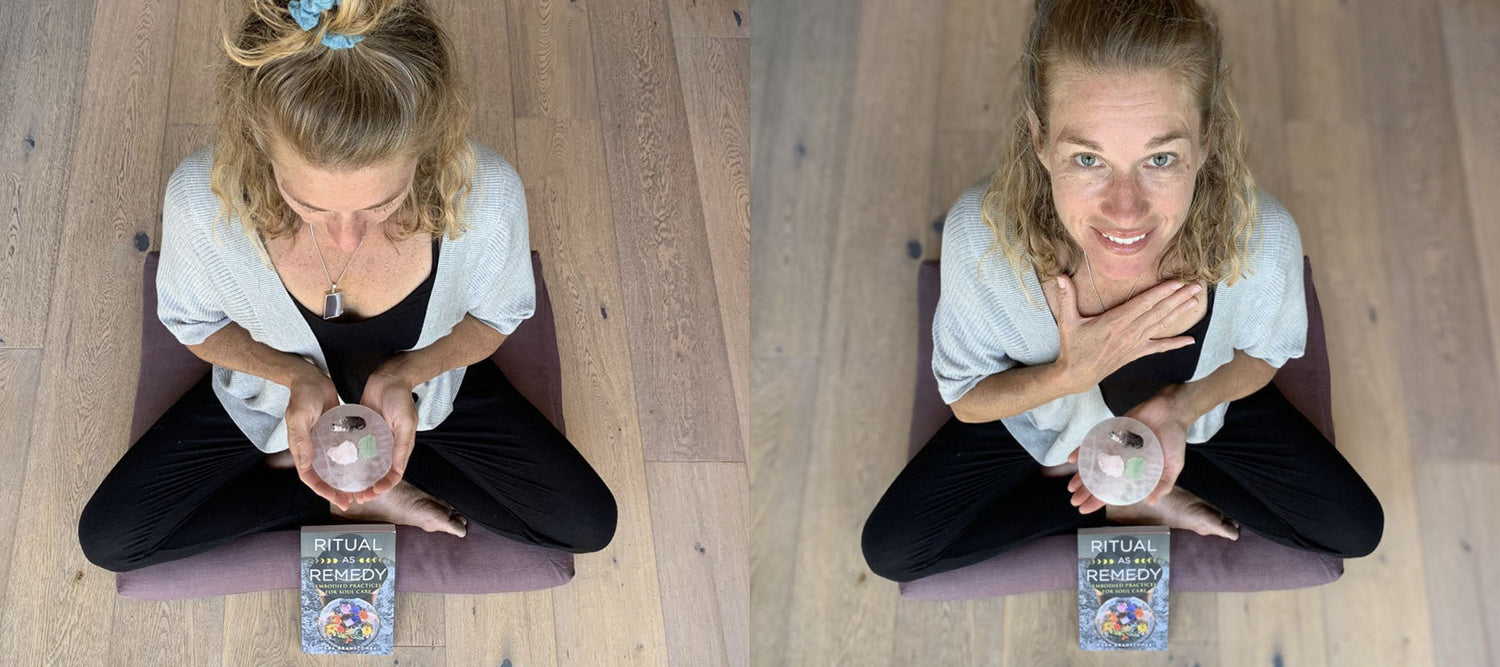
Through regular practice, yoga becomes a powerful tool for inner regulation. It’s not about eliminating stress or emotions, but about learning to relate to them and to acknowledging that they are present. By bringing attention back to the body, the breath, and the present moment, it offers a path toward greater stability and calm.
A simple yet essential reminder : sometimes, to soothe the mind, we just need to come back to the body and to our breath.