What if yoga could be more than just a physical practice? For Marie-Françoise Mariette, yoga teacher and therapist, movement can also become a powerful tool to support people who have experienced impactful or traumatic events.
Through trauma-informed yoga, she offers a different approach. One where the goal is no longer simply to practice, but first and foremost to feel safe, both in one’s body and in the surrounding environment
Bringing safety back to the center of the practice
In a trauma-informed yoga class, everything begins with one essential intention: creating a safe space.
People who have gone through difficult or traumatic experiences often lose that inner sense of safety. This can manifest as hypervigilance (a constant state of alert, where the body remains in protection mode). In this context, yoga cannot be approached in a conventional way. The teacher adapts their guidance to offer a reassuring, predictable environment that respects each individual’s pace.
Here, the focus is not on performance or achieving a posture, but on allowing the body to gradually release tension and feel more at ease.
Reconnecting with the body
Another key aspect of trauma-informed yoga is the relationship with the body.
After trauma, some people may feel disconnected from their bodies, or struggle with a lack of control. “They often feel like they don’t have control over their body,” explains Marie-Françoise.
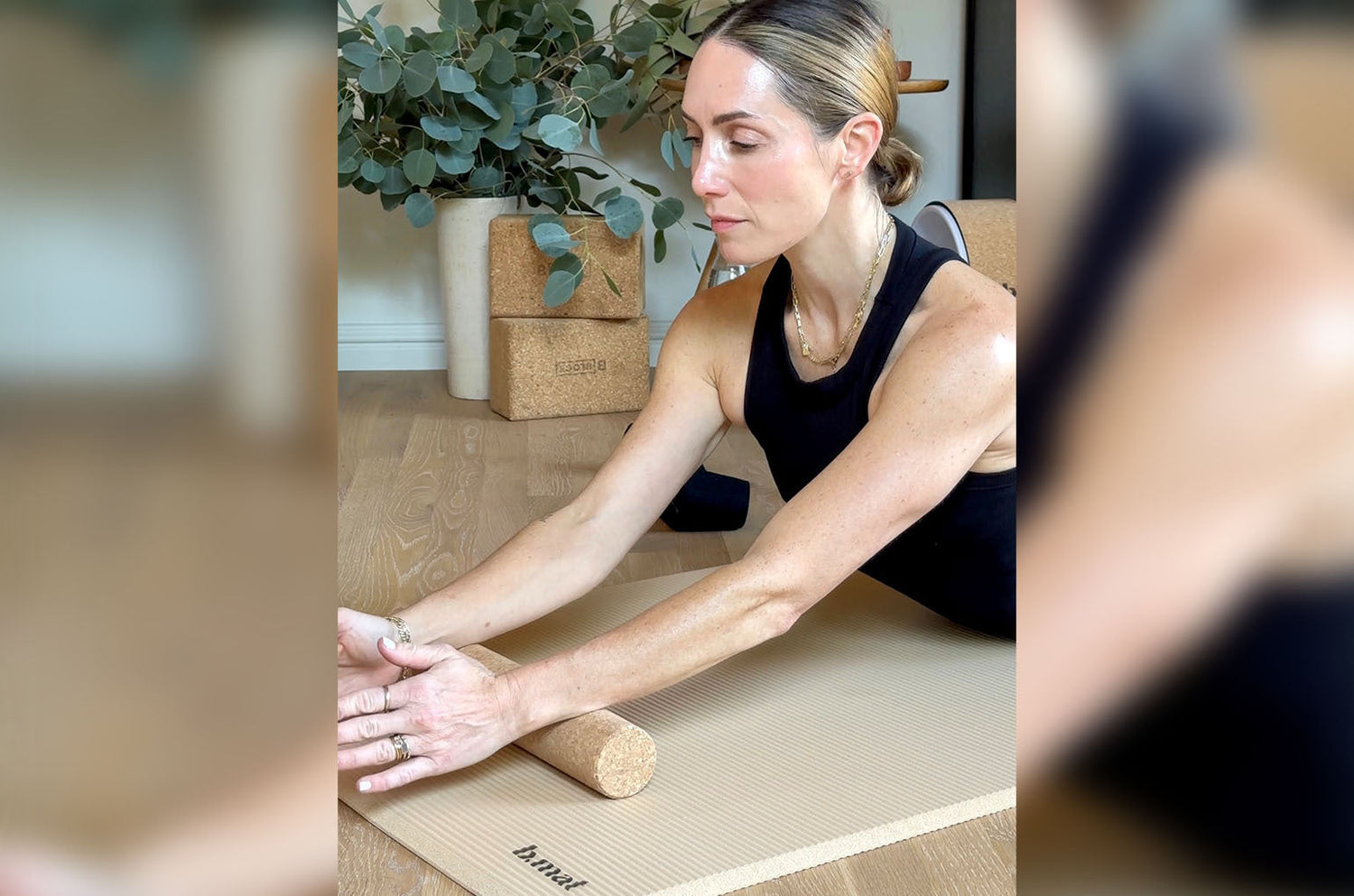
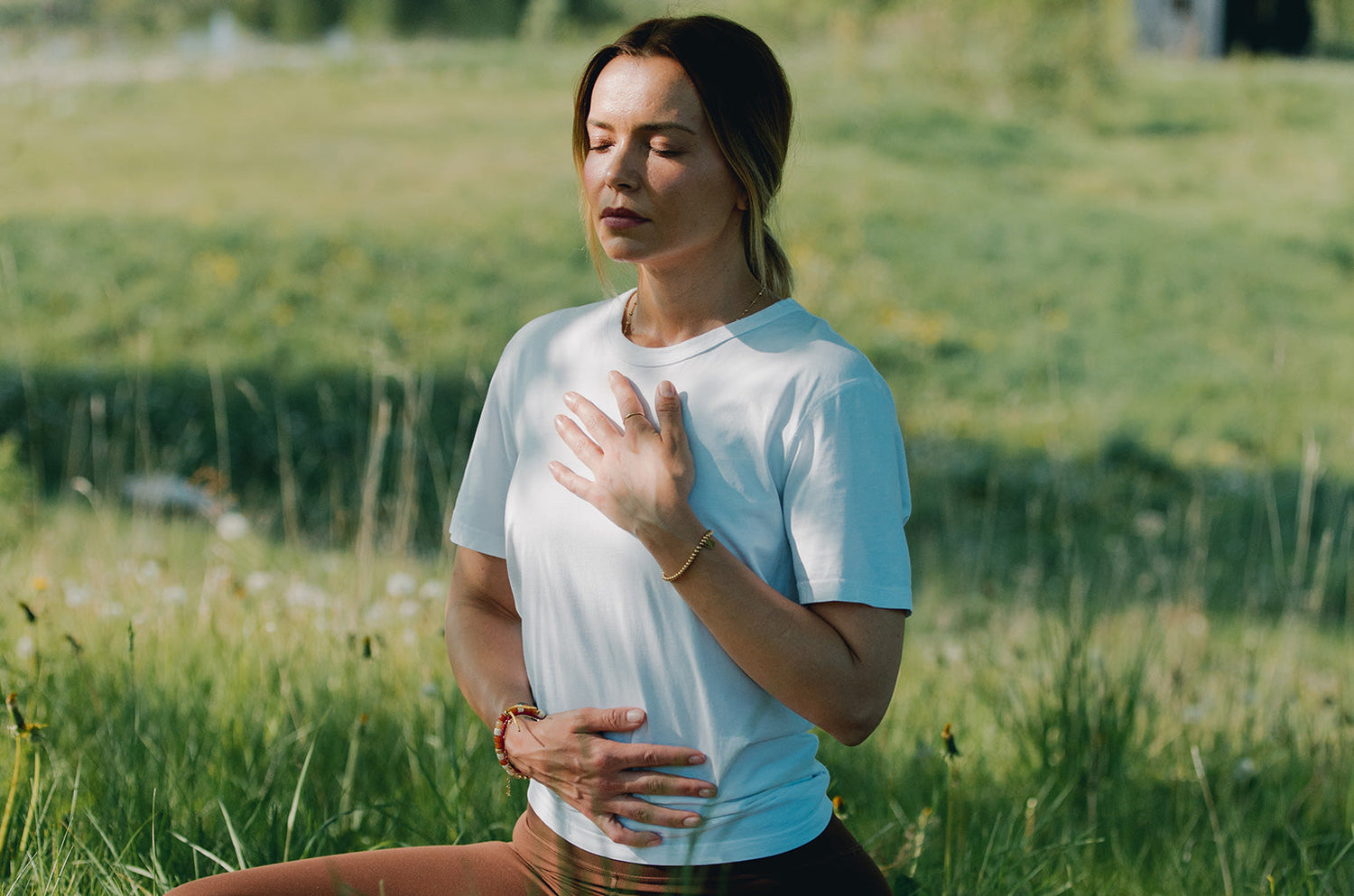
Through gentle practices, breathwork, and a focus on physical sensations, yoga becomes a way to slowly rebuild that connection.
The intention is not to push, but to explore. To feel, little by little, without judgment.
Restoring choice, not imposing
At the heart of this approach lies a fundamental principle: restoring a sense of choice.“We are here to help them regain that feeling of safety,” she says, “but also to help them feel that they have a choice.”
Unlike more directive classes, trauma-informed yoga invites rather than instructs. Options are always offered, allowing participants to adapt, modify, or even opt out entirely. This creates a space where individuals can reconnect with their autonomy and move at their own rhythm.
A different way of experiencing yoga
Trauma-informed yoga offers a different perspective on the practice : softer, more conscious, and deeply centered on the individual. Beyond the postures, it is about rebuilding trust : with the body, with sensations, and with oneself.
A practice that reminds us that sometimes, the first step is not to do… but simply to feel safe.